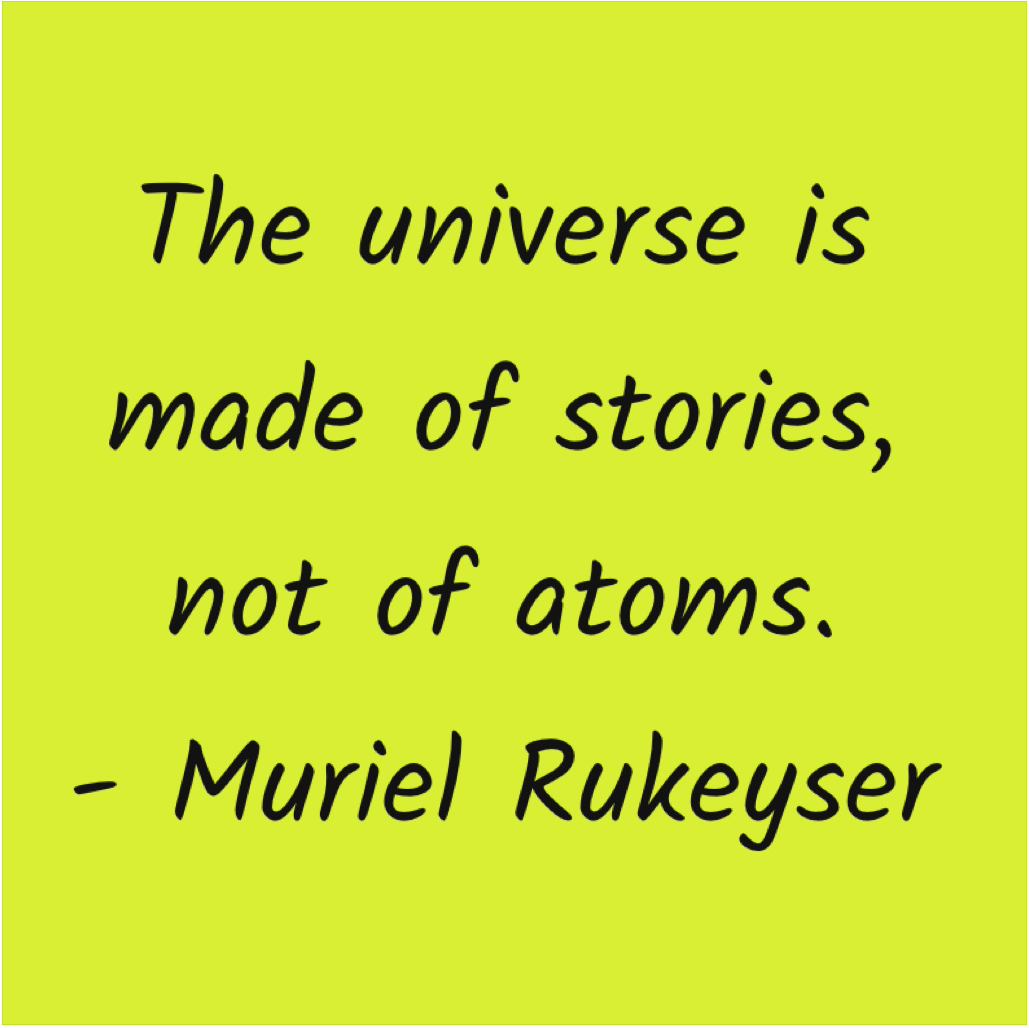

If you look back into your everyday life, it is made up of a series of stories. We can make it look interesting with pics on Insta, or perhaps sound interesting with the stories we tell ourselves and others in life. Have you tried saying “tell me more” to a friend in response to a conversation. Try it with your friends next time and you will hear the story behind the conversation.
I love to know life stories of people. Stories of victory, love, battles and defeats. However not every story needs to be heart wrenching. Not every story needs to have a defeated tone, and how we have overcome obstacles. There can also be happy stories. There can also be stories of passion, of creating value, of out-of-world triumphs.
This week during my travel, I was invited to a founder meet-up. I noticed that everyone had a story - why they started up, why this city, how did corona impact their life, why now to be a founder? In the world of information overload, story telling becomes the only way we can keep conversations fresh. Our brains are wired to understand stories more than factual data. If you are a founder, this skill is almost a non negotiable for you to succeed. Be it while hiring your first employee, getting your first customer or an investor.
The first thing to understand about storytelling in the world of startups is that it is not just about telling a good story - it's about telling the right story. Combine it with data and you will have the secret ingredient to start building your own personal brand.
If we were to use storytelling for professional success, how do you do that? Some thoughts based on the various conversations I have had with many founders.
Know your audience
Before you can craft a compelling story, you need to know who you are telling it to. Who is your target customer? What are their pain points, goals, and aspirations? What kind of language and imagery will resonate with them?
The more you understand your audience, the better you'll be able to tailor your story to their needs.
Focus on your why
People don't buy what you do - they buy why you do it.
Make sure your story is more personal. Why did you start this business? What problem are you trying to solve? What kind of impact do you want to have on the world? Why will you win? Your why should be the driving force behind everything you do, and your story should reflect that.
Be Authentic
Your story should be a reflection of who you are as a company and as an individual. Don't try to be something you are not or pretend to have all the answers. Instead, be honest, vulnerable, and human. Share your successes and failures, your hopes and fears, and your vision for the future.
People are drawn to authenticity, and your story will be much more compelling if it feels genuine.
Use humor and emotion
Share stories that tug at the heartstrings or spark curiosity. The more you can engage people on an emotional level, the more memorable your story will be.
A good story should make people feel something, whether it's joy, sadness, excitement, or inspiration.
Sometimes people confuse storytelling with long ranter. They assume because they can talk openly, they are good storytellers. I think that is the distinction we need to draw. Compelling storytelling is also to know when to we stop talking! Watch responses and ensure you are knowing when people lose attention.
Is it all about the story?
For founders, storytelling at the intersection of numbers could be the best way to create a powerful conversation. By telling a story, we can make your message more relatable, memorable, and inspiring. However ensure you have a good mix of data. Numbers are a powerful way to add credibility and objectivity to your message. Numbers can help you demonstrate the impact of the message, support arguments with evidence, and show the audience that you have done your homework. Numbers are particularly effective when you want to convey a message that is concrete, quantitative, or factual.
When used together, storytelling and numbers can be a powerful combination. For example, you can use a story to introduce a problem, and then use numbers to demonstrate the scale and impact of the problem.
The key here is balance. If you use too much storytelling, your message may lack credibility and objectivity. If you use too much numbers, your message may lack emotion and inspiration.
StoryTelling is not new to human civilisation
Storytelling is not new. If we were to look back, the beginning of storytelling dates back to the earliest human civilizations, when people used oral traditions to share knowledge and experiences with one another. Before the advent of writing and other forms of recorded communication, people relied on oral storytelling to preserve their cultural heritage, pass down traditions and knowledge from generation to generation, and entertain one another. Storytelling was used to explain the mysteries of the natural world, teach moral lessons, and provide a sense of community and shared history.
In this world of information overload, use storytelling that is authentic, focused on the Why, and is tailored to your audience. However don’t be consumed by your own story. Everyone feels like they are the best actors in their story, but be aware of the context of people who are listening.
Stories told from the heart, the right way, to the right people, is bound to win hearts.
As I close, I wanted to share this article to read to delve further into storytelling and how our brains react. https://www.fastcompany.com/3031419/why-our-brains-crave-storytelling-in-marketing.
Sharing a quote I love. Much love to all.